I recently posted about purchasing a 20 year old Nikon D40, which was my first DSLR back in 2006. Check out that post for details but just know that these entry level camera bodies are available for under $40 or with their kit lens for about $60. I got what was essentially the twin lens kit for under $100 and while taking a few test shots as a novelty is one thing, can something that old and basic produce decent results in the real world, especially with our 2026 eyes and expectations? Bear in mind this is a 6 megapixel sensor with 8 stops of dynamic range, a max 1600 ISO, just 3 auto focus points and a 2.5 fps peak shooting rate… And people have always sneered as kit lenses with their slow variable apertures: “Wouldn’t you get better pics with your phone!?”.
Despite owning newer and more capable cameras I decided to take a 20 year old beginners setup with me on a recent trip to Fort Worth Zoo here in Texas, and not only did I thoroughly enjoy the experience of using it, when I got home I was shocked how good the image quality was…
I opted to use the 55-200mm f:4.5-5.6 VR ii lens throughout the day, which is an updated version of the original 55-200 that camera came with in its twin lens kit, and I do encourage you to ensure you get a VR version of the lens as it makes a world of difference. Note that as this is an APS-C sensor camera the focal length of the lens is the equivalent of an 80-300mm lens on a full frame sensor. When visiting a zoo you want some flexibility in focal length but reach is important and a 200mm full frame lens is going to leave you wanting, with APS-C we have an effective 300mm which makes quite a difference as you will see in the images below, most of which were shot at the long end.
I had the camera set to shoot RAW and when I got home I processed them with my usual workflow which is to use DXO PureRAW to apply de-noising, distortion correction and sharpening which outputs a DNG file and then import that into Lightroom Classic where I make my adjustments.
Let’s start with a photo of a static display that was in the shade which I used to just confirm my settings and get used to the camera. I settled on leaving Auto-ISO on while using Shutter Priority when the subjects were moving around and Aperture Priority otherwise and mostly shooting wide open when I did.
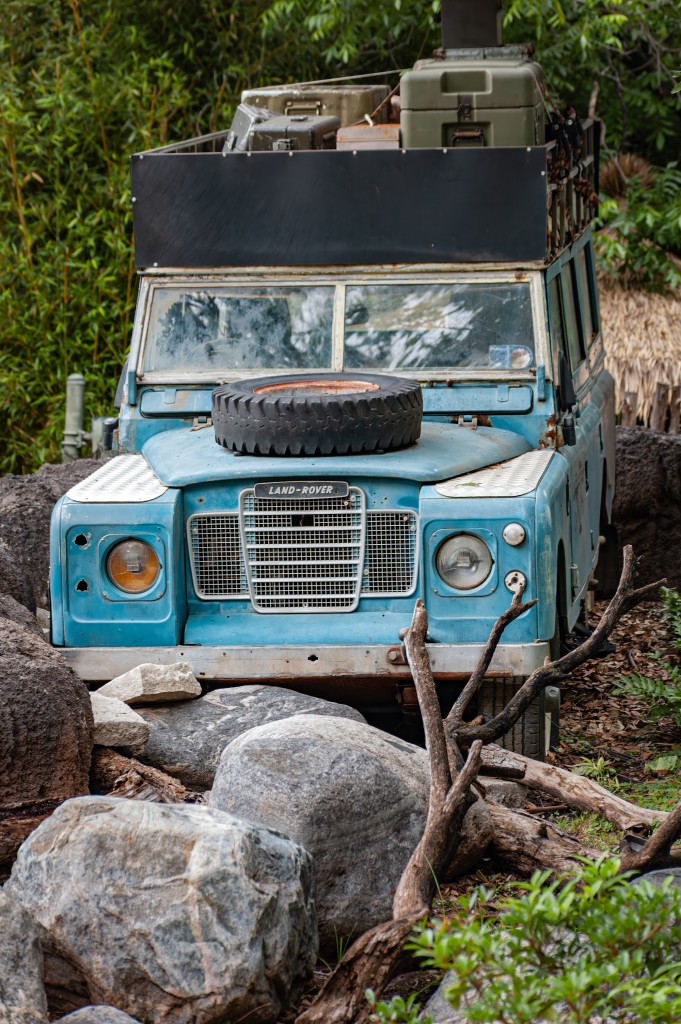
The Land Rover in the African Savannah area is very close to the path which runs alongside it to the right but I opted for a front on shot, 90mm and wide open at f:5.6 in Aperture Priority mode. The camera opted to raise the ISO to 400 to give me a fast enough shutter speed for the focal length. On that point, note that Auto-ISO does not take into account the benefits of VR so it won’t let you drop to less than 1/focal length which in this case means it won’t give me 1/80th second and ISO 200, opting instead to increase the shutter speed by one stop to 160th and thus increase the ISO by 1 stop from 200 to 400.
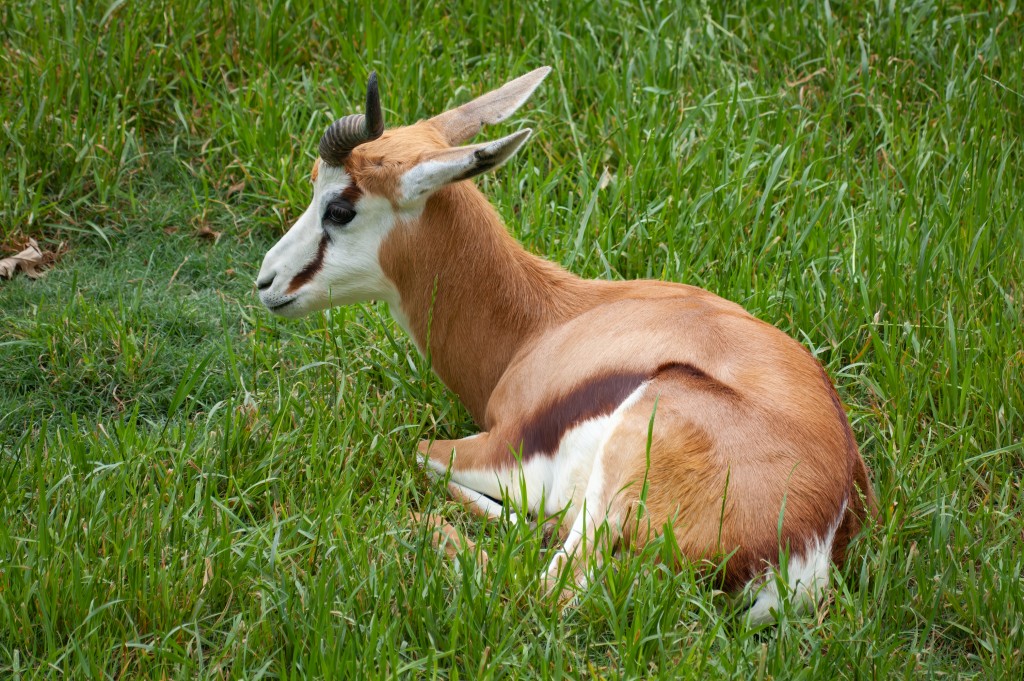
Next to the Land Rover was an open area with typical savannah animals and the Springbok was sitting down in the grass so I stuck with Aperture Priority, again wide open at f:5.6 and the camera stuck with ISO 400.
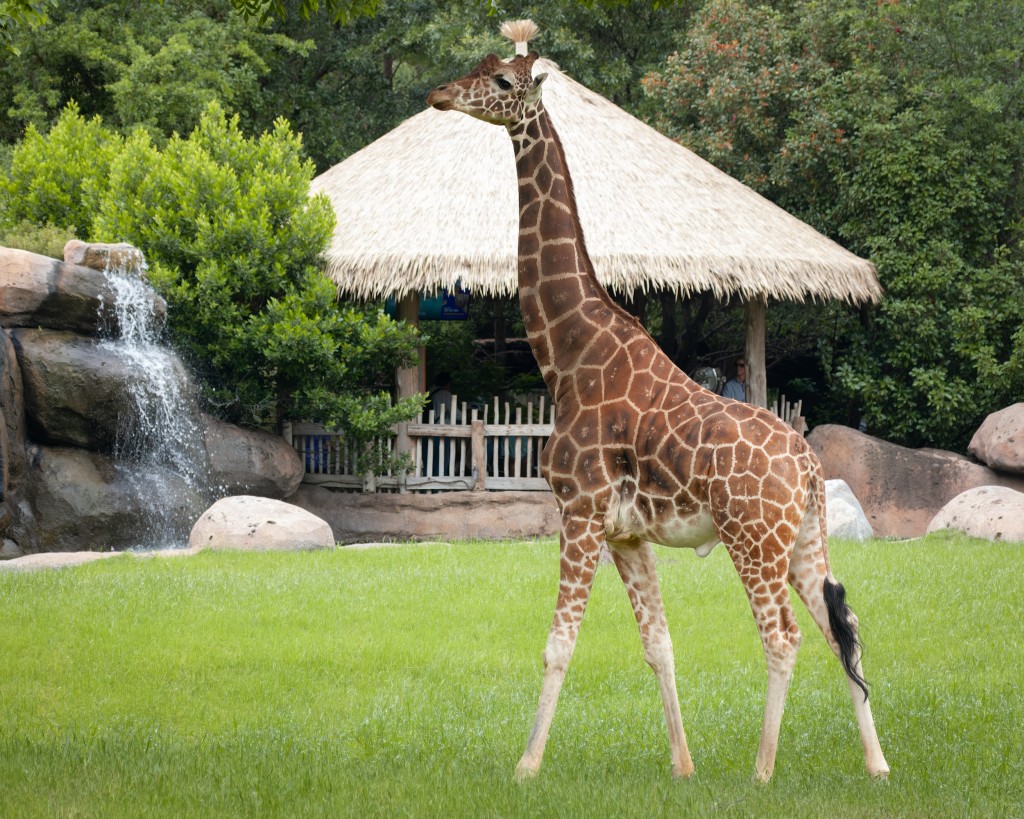
Moving around the area to get a closer to and a better angle on the giraffe I only needed 110mm and the camera selected 1/320s and again maintained the ISO 400. It’s important to note that in daylight like this with a max f:5./6 aperture you’re unlikely to get a fast enough shutter speed if you shoot at base ISO, for example at ISO 100 the giraffe shot would need 1/80th second and while the VR would ensure no problem keeping camera shake under control 1/80th is slow for an animal that is walking along…
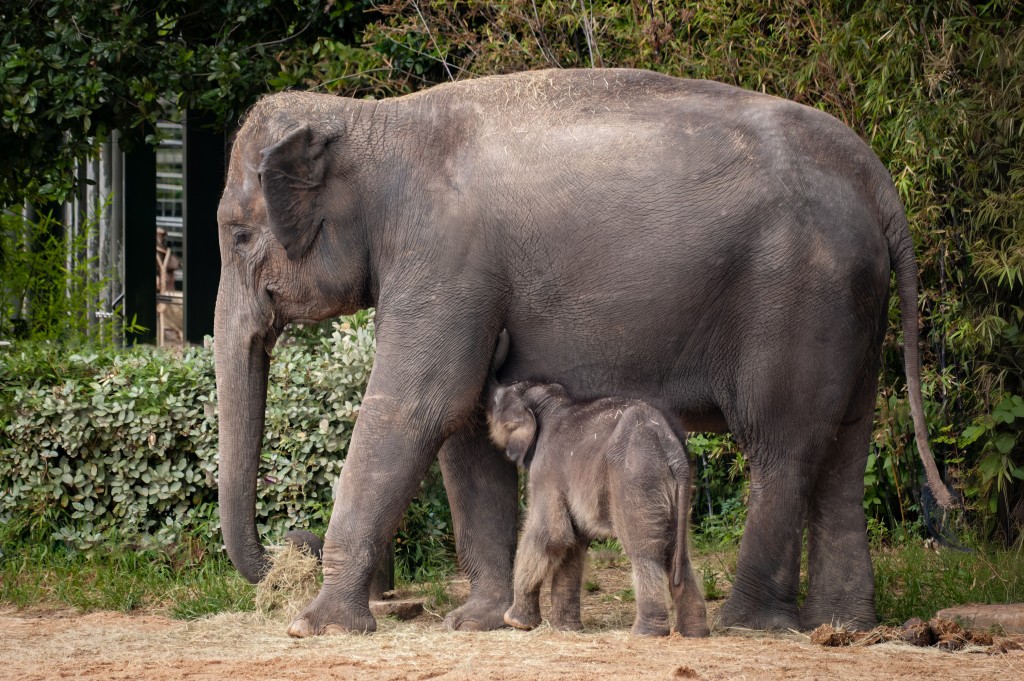
The baby elephant was running around after its mom so I decided to switch to shutter priority. 1/500th would probably have got the job done but I went with 1/1000s and with the camera selecting f:5.6 it still needed ISO 1600, the maximum on the D40, for correct exposure. This told me that even in daylight 1/1000s was the most I would be able to use with this slow lens, at last until the sun got brighter in the afternoon, and given the age of the camera I would have to lean on noise reduction in post processing to get a decent image. Back in 2006 when this camera was new that would not be possible, but as you can see from the photo above, in 2026 there is little need to avoid using max ISO.
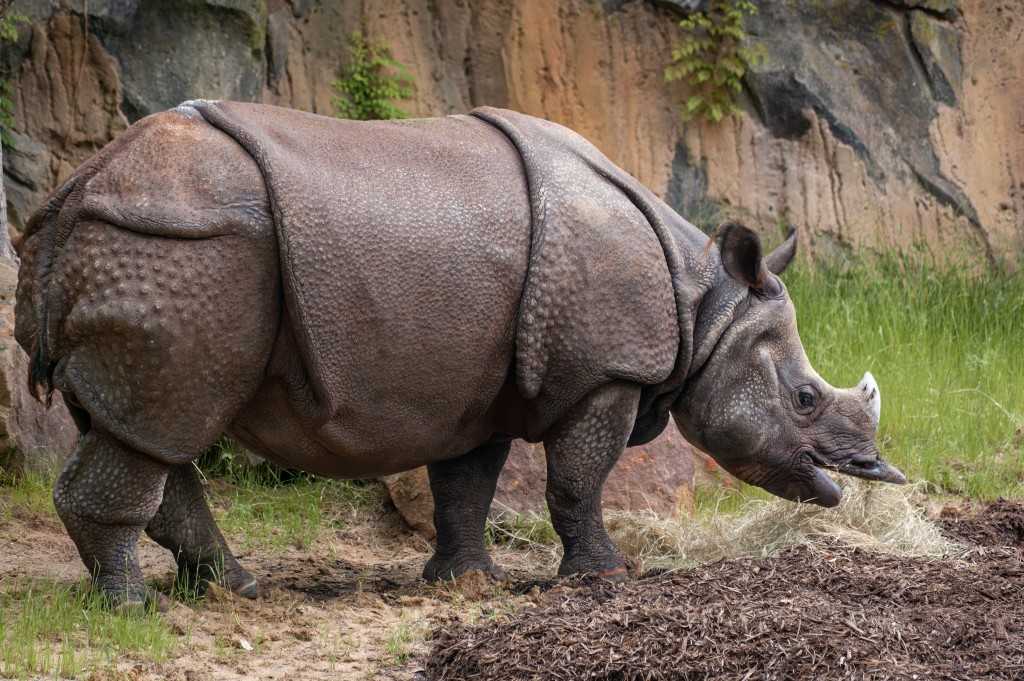
The rhino display is surrounded by high walls and given it’s slightly darker 1/800s was the max shutter speed I could get at f:5.6 with the ISO maxxed out to 1600, but this was plenty to freeze the animal given it was hardly moving when I took the photo!
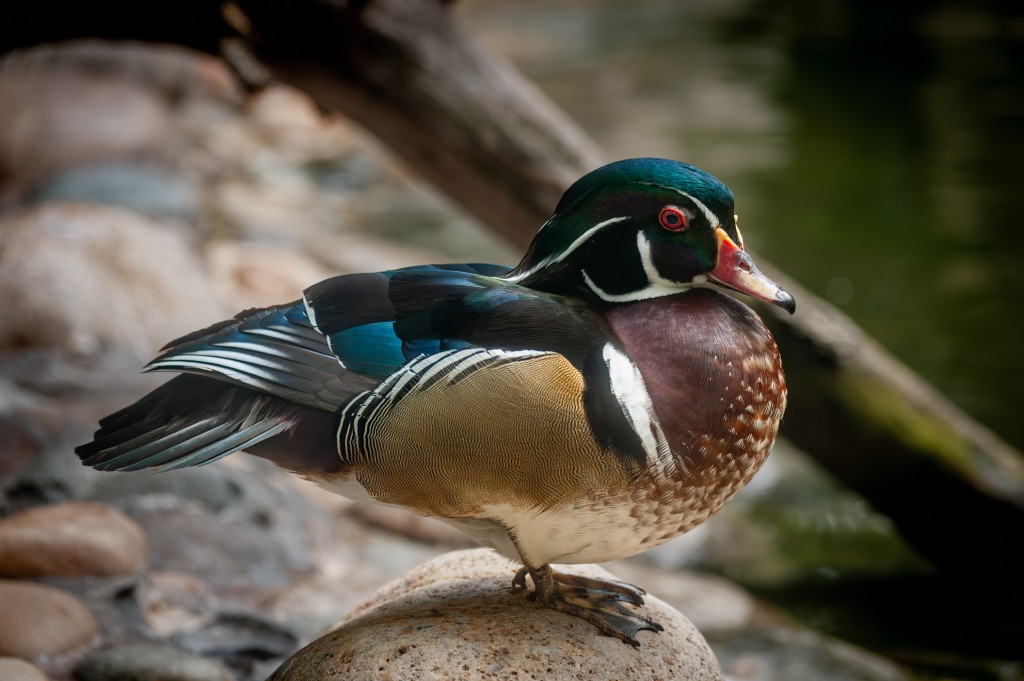
Moving to an indoor area meant losing more light and while 1/500th would have been possible I selected 1/250th as the duck was not moving and which resulted in ISO 800 but I could likely have gone down to 1/125th and got ISO 400.
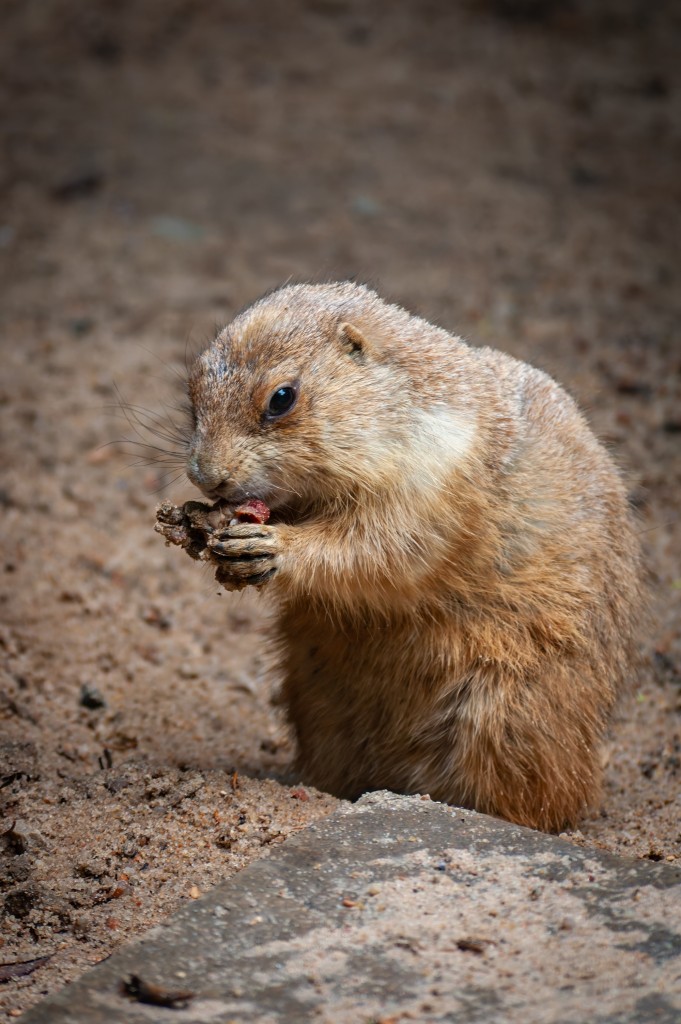
The Prairie Dog was in a slightly darker section, albeit not by much but given it was stationary I dropped my shutter speed to 1/160th and the camera selected ISO 800.
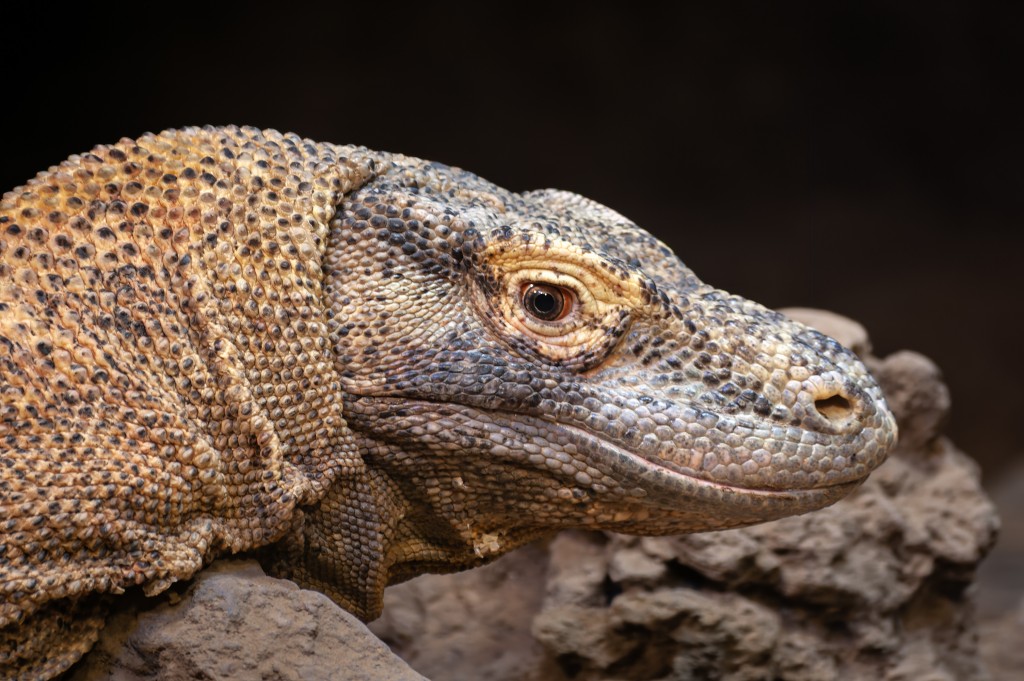
It’s tempting to imagine the reptile house is going to be dark, and while the main public floor is, the displays are surprisingly well lit, not daylight bright, but not what I would call dark. In this case the camera was happy to give me ISO 800 at 1/100th of a second. but certainly trying to catch say a tongue flicking out would need some seriously good timing and at least 1/250th, if not 1/500th which would force the ISO out of range on this camera with this slow lens.
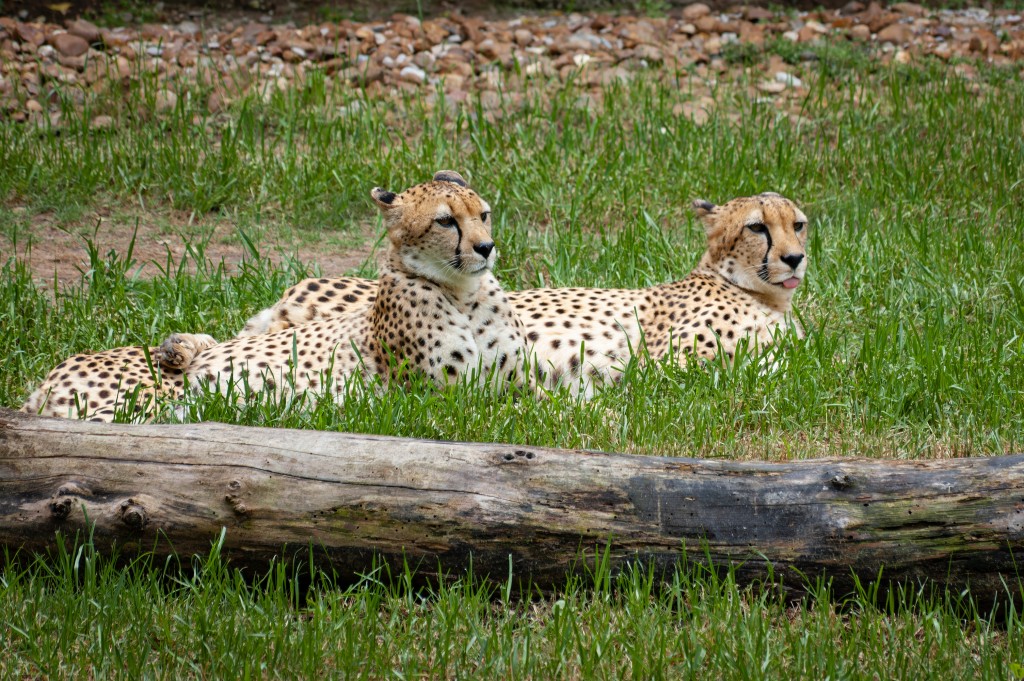
As the sky was getting brighter I was able to get 1/400th at just ISO 200, suggesting 1/1600th would be possible at ISO 1600 if needed.
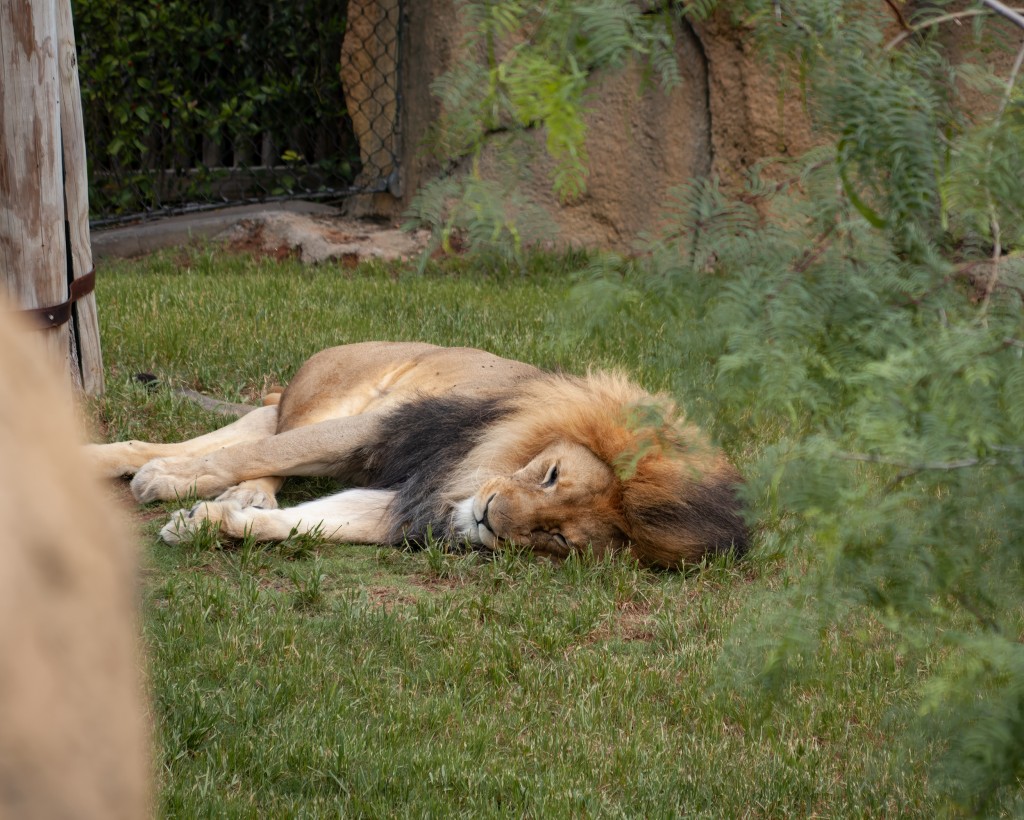
And as the afternoon wore on I was able to go to 1/500th at ISO 200, meaning 1/2000th would have been possible if necessary at max ISO 1600.
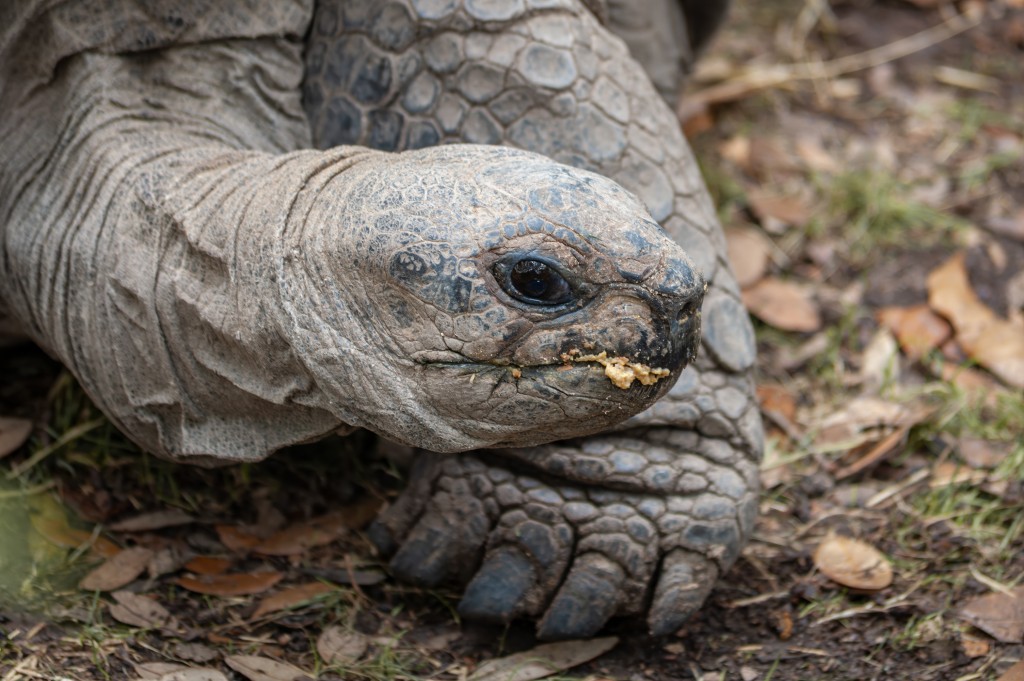
I decided to experiment with the VR capabilities by finding a subject that was not likely to move quickly, hehe! I deactivated AUTO-ISO and set the camera to ISO 200 and at f:5.6 the camera offered up 1/40th of a second. Too slow for a moving subject, but it kept the image stable at 200mm. Now it’s important to remember that the rule to avoid camera shake, (1/focal length) is for full frame equivalent focal lengths. At 200mm on an APS-C camera like this we are talking about 300mm in full frame terms. This means the rule says 1/300th second is needed. 1/150th would be a 1 stop improvement on that performance, 1/75th a 2 stop improvement, and 1/40th is a 3 stop improvement. Nikon claims up to 4 stops is possible from this mk2 version of the 55-200 VR lens (the mk1 maxes out at 3) so this 3 stops effort should have been a walk in the park, and it was.
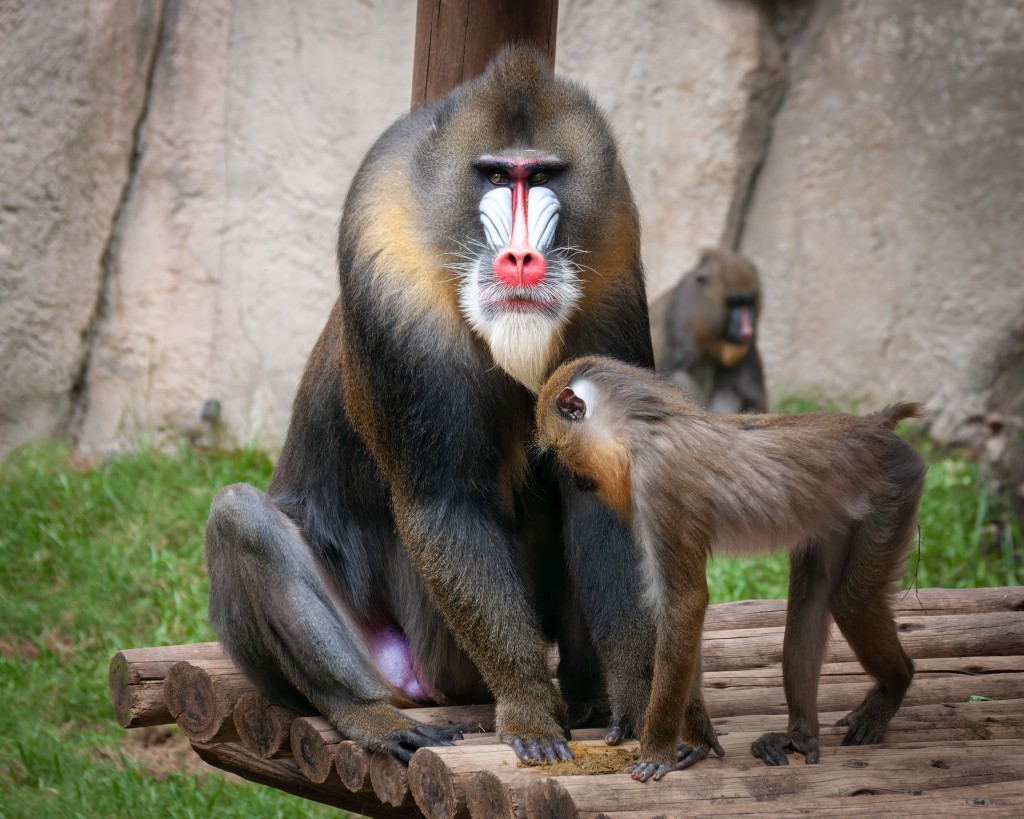
I got distracted after messing about with the manually set ISO values from my VR test and left the camera on ISO 1600, not realizing until I had left the primate area! I also didn’t notice I had selected f:6.3 instead of 5.6 and consequently the camera selected 1/640th of a second but luckily it plenty to freeze the monkeys, likely do to that hardset ISO 1600…. I would have liked a lower ISO to preserve the details in the fur as denoising in post processing often loses that fine detail, but with only 6 megapixels anyway it didn’t turn out too bad
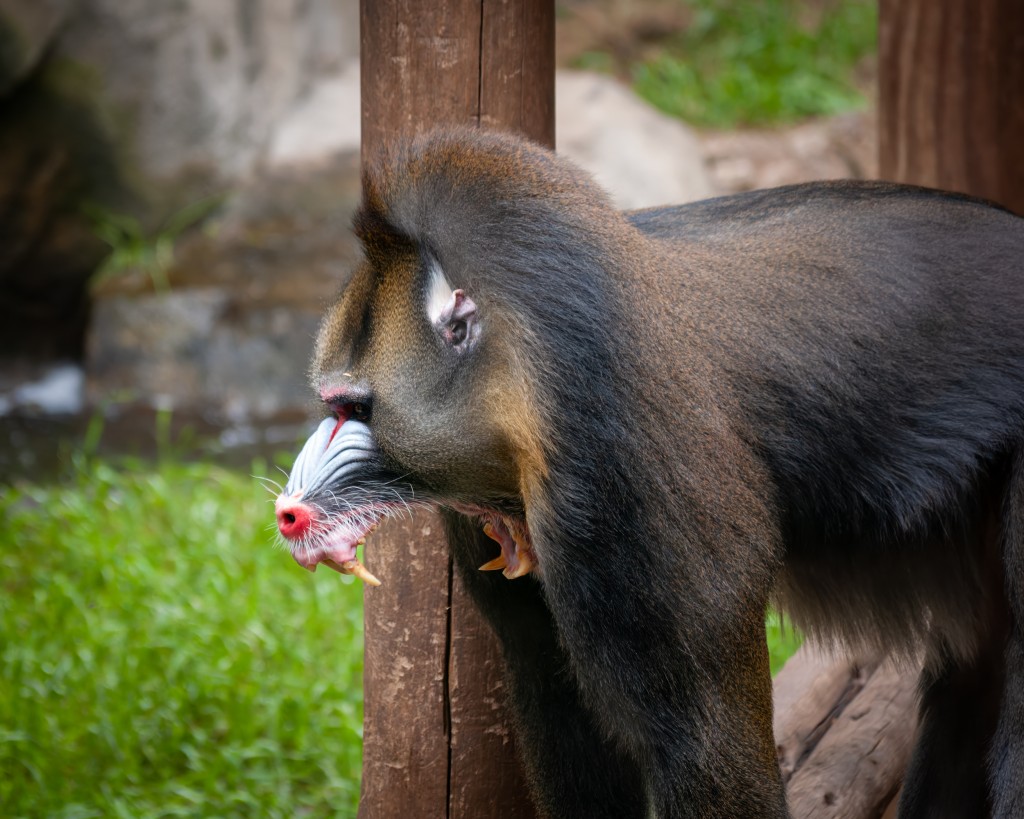
The camera selected 1/500th for this shot which was enough to freeze the mouth when it screamed, although good timing on my part for grabbing it at the point of maximum opening helped!
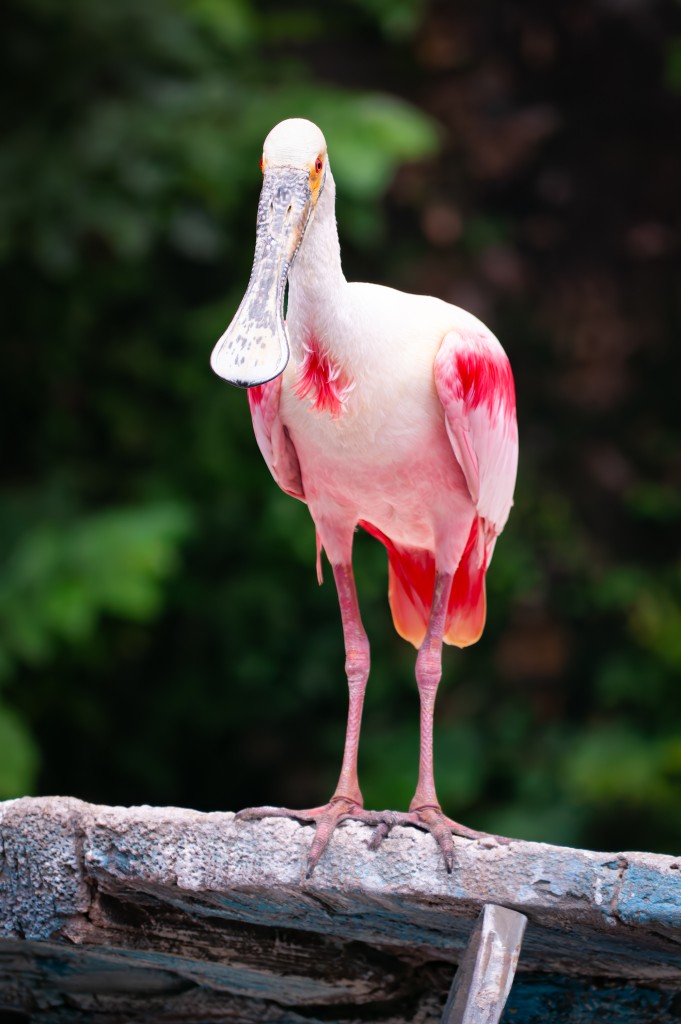
In the bird house I went with Shutter Priority and selected 1/1000s as I was approaching maximum ISO. 1/2000th would have been preferred but I was struggling to reliably get proper exposure at the max ISO 1600, knocking it down a notch to 1/1000s had the camera dancing between ISO 800 and 1600 so underexposure wasn’t a risk.
Overall I’d say the D40 and it’s slow kit lens did a perfectly acceptable job for a day out at the zoo. The slow lens means you have to increase the ISO and that’s where the limitations of a 20 year old, early digital camera start to rear their heads. The main issue was not having a high enough ISO available to get very fast shutter speeds. With a ceiling of ISO 1600, 1/2000th is only possible with bright daylight and overcast or indoor conditions will cap you well below 1/1000th, possibly 1/500th. That said, for 95% of photos it wasn’t an issue and I didn’t miss or underexpose any shots because of it, but for birds in flight or freezing a running cheetah, forget it. Just bear in mind you don’t often see truly fast moving animals in a zoo setting…
Be the first to comment